
7 Signs Your Brake Pads Need Replacing Before Your Next Race
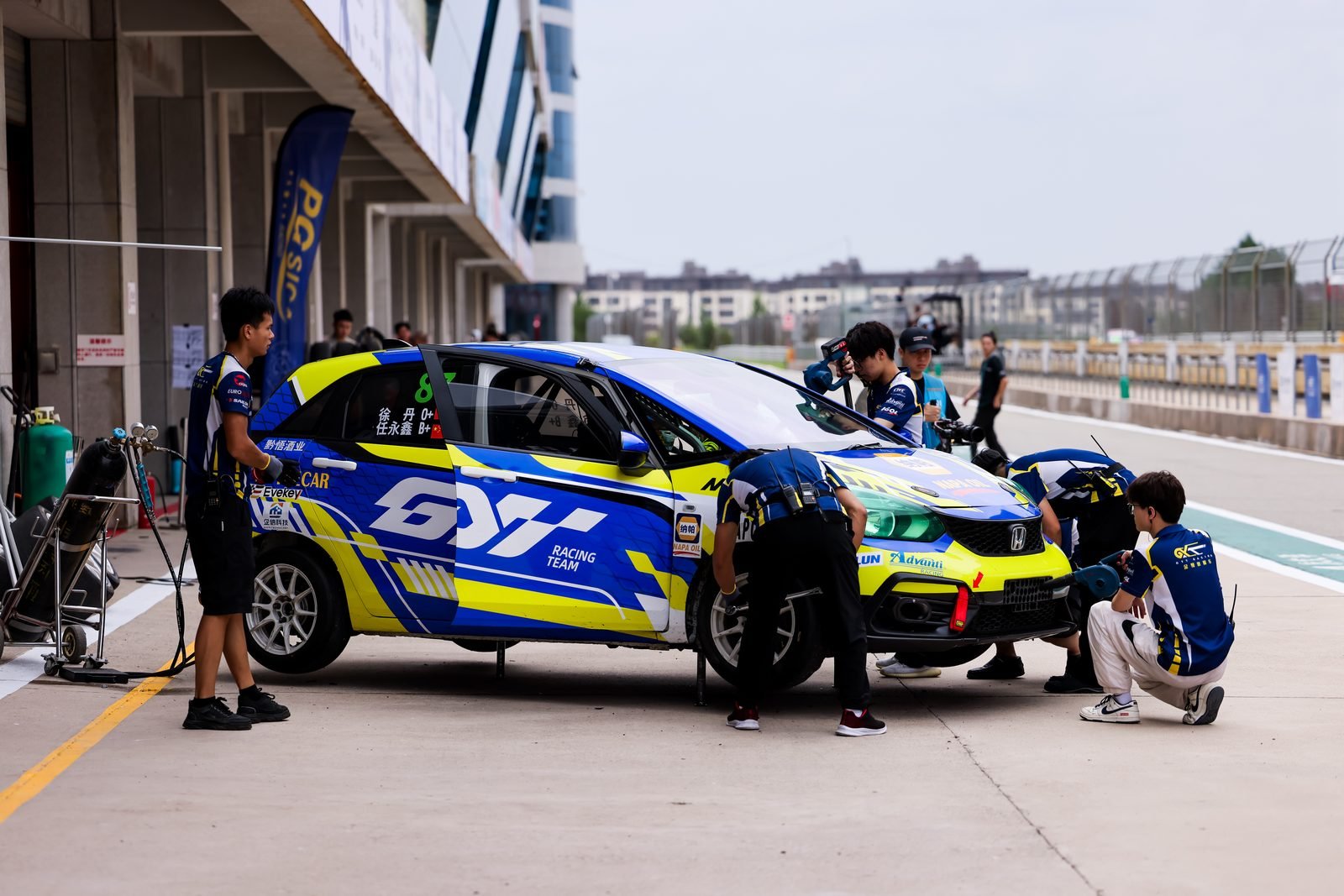
On the street, worn pads are an inconvenience. On track, they’re a safety hazard.
1. Reduced Stopping Power
Braking at your normal point but the car won’t slow down. Thermal fade from thin pads.
2. Increased Pedal Travel
Thinner pads = caliper pistons extend further = more pedal travel.
3. Uneven Wear
One pad thinner than the other. Check slide pins, pistons, rotors.
4. Visual Wear
- Street: replace at 3mm
- Track: replace at 4-5mm
- Endurance: start fresh, replace at 5mm
5. Squealing or Grinding
Built-in wear indicators squeal. Grinding = metal-on-metal emergency.
6. Vibration Under Braking
Pulsing = rotor surface irregularity from warping or uneven pad deposits.
7. Discoloration
Blue/purple rotors = overheating. Glazed surface = reduced friction. Cracking = replace now.
Pre-Event Checklist
- Measure pad thickness all corners
- Check for uneven wear
- Inspect for glazing
- Check rotor condition
- Fresh brake fluid
- Pack spare pads